Home
Antioxidants Help
Antioxidant Doubt
Anti-Oxidants Effective
B3 Stroke Fighter
B12 and Folic Important
Calcium, D Combo Works Best
Cancer Fighting Supplement
C & Lymphoma
Doctor Vitamin Use
E Questions Continue
E's Role in Heart Health
E Shortage Causes Decline
Eat Well for Vitamins
FDA Boosts D Role
Folate Lack, Dementia
Get Vitamin B12
Ginko No Memory Help
Herb Helps Heart
Ineffective Ginkgo
Iron Deficiency Cause
Iron Overload Problems
Iron Overload Disorder
Lack of D Hurts Heart
Magnesium Boosts Memory
More Benefits of D
Mortality Risk?
Niacin Cuts Cholesterol
No B Heart Attack Benefits
No Cancer Effect
No CV Impact for B
Nutrients Protect Eyes
Rexamine Vitamin Use?
Sunshine Lack Not Cause
Sunlight Risky
Supplementary Medicine
St. John's Wort Ineffective
Supplement Training
Vitamin C Stops Cancer
Vitamin E Helps
Vitamins & Infections
Vitamins, Cancer Survivors
Vitamin D, Falls
Vitamin D Fights MS
Vitamin E, Alzheimer's
Vitamin E Underuse
Vitamins Examined
Vitamin Guide
Vitamins and Cancer Victims
Vitamins A to Z
Vitamins Treat Illness
Vitamin Info
Vitamins in Soft Drinks
Winter Sun D Shortage
Wrinkle-Fighting 'A'
Zinc in Nursing Homes
Vitamin D News


Google


Web TodaysSeniorsNetwork.com


Middle-aged adults most likely to use complementary medicine

By Katherine Kahn, Contributing Writer
Health Behavior News Service

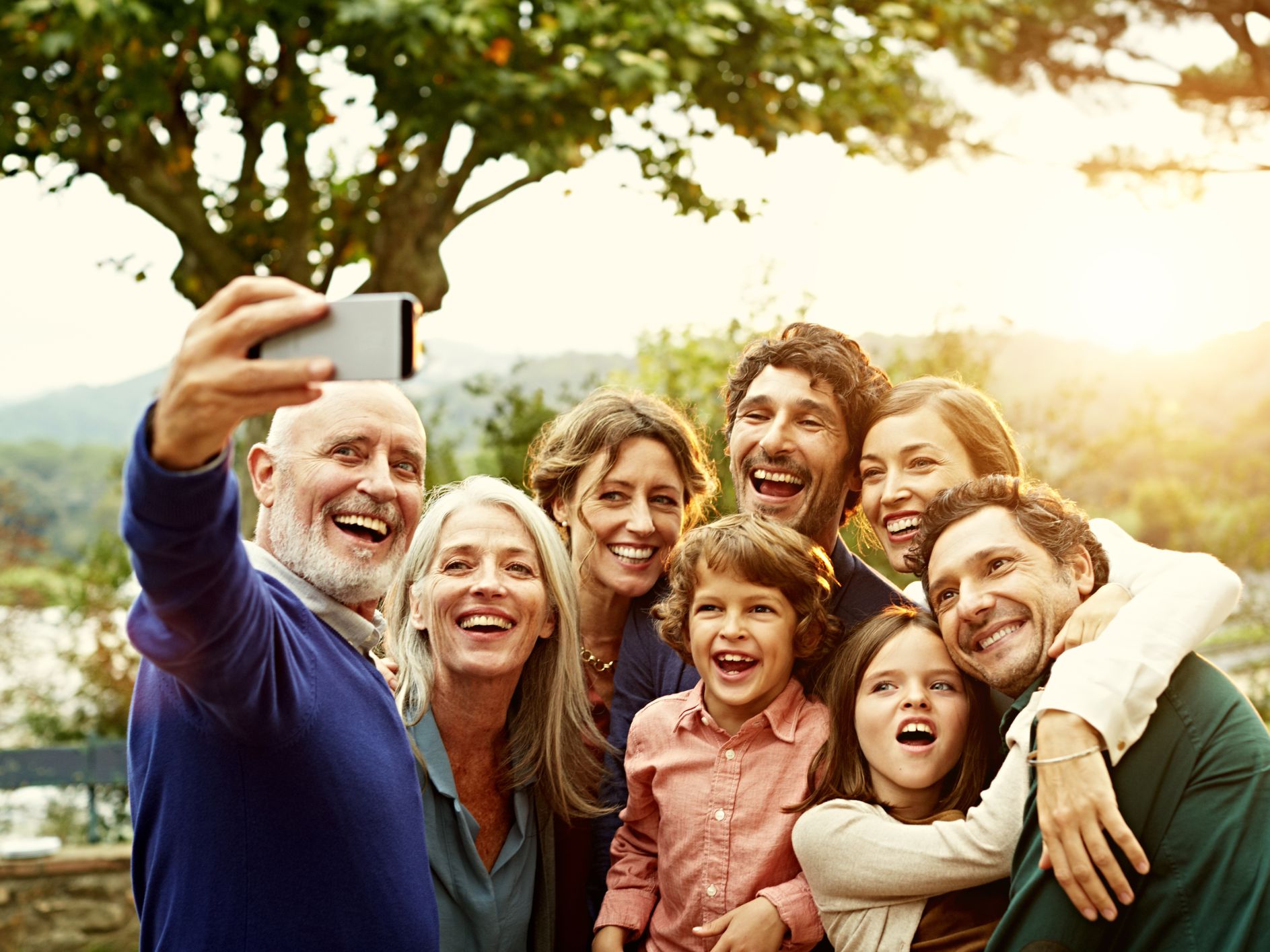
Even though older adults generally have poorer health, middle-aged adults are most likely to turn to complementary and alternative medicine, a new study shows. The study also found that adults of different races or ethnic backgrounds use these self-care methods in similar proportions.


“You’d expect that older adults and ethnic minorities would be the greatest users of complementary and alternative medicine because they tend to have more illness and relatively less money and often hold different beliefs about medicine. But, in fact, they don’t,” said lead author and sociologist Joseph Grzywacz, Ph.D.

The study, by researchers at the Wake Forest University School of Medicine and the University of North Carolina at Greensboro, appears in the most recent issue of the Journal of Health and Social Behavior.

The study included data on 30,785 adults from a national survey conducted by the Centers for Disease Control and Prevention. Participants, with an average age of 45, were about evenly divided between men and women. About 22 percent were African-American or Hispanic, while 4 percent were non-Hispanic Asians.

People were asked if they had used any of 28 complementary or alternative therapies in the past year. Researchers organized these therapies into six categories: alternative medical systems, biologically based therapies, body-based methods, mind-body interventions, energy therapies and self-prayer.

Researchers also asked participants whether they had any ailments such as bodily pain, chronic conditions or difficulty performing everyday activities due to illness.

Grzywacz and colleagues found that self-prayer, biologically based therapies, and mind-body interventions were used more frequently than other forms of complementary and alternative medicine.

Middle-aged people reported using complementary and alternative therapies more often than either older or younger people. Older participants were the least likely to use these forms of medicine, with the exception of self-prayer, which was most commonly used by those 65 years and older.

Although there were no significant differences among racial and ethnic groups in how individuals used complementary or alternative medicine, Grzywacz said this may be related to the types of questions posed: “[It] could simply be that we didn’t measure the more culturally appropriate kinds of complementary and alternative practices that different ethnic groups may be using.”

Grzywacz suggested that older adults may use these forms of treatment less because they are less likely to have been exposed to them when younger. He said it’s possible that older adults perceive bodily ailments as normal signs of aging that don’t necessarily require treatment. Conversely, middle-aged and younger participants may be more likely to seek any treatments that may improve their health.

Andrew London, Ph.D., from the Center for Policy Research at Syracuse University, takes those speculations one step further. The results that show middle-aged adults as most likely to use complementary and alternative medicine could in part be a reflection of baby boomers’ approach to health, he said. “The baby boomer generation was countercultural. They questioned authority — and medicine is a form of authority.”


Home
Up
About Us
America's Seniors WebMall
Aging News
California Report
Caregiving
Community/Workplace
Fitness,Health
Grandparents
Health Care Policy
Hispanic Seniors
Medicare News
Contents/Sitemap
Prescription Drugs
Pharma Suits
Restaurant Reviews
Rural Seniors
Safety & Security
Seniors Commentary
Seniors' Entertainment
Seniors Headlines
Seniors Finances
Seniors' Issues
Seniors Relationships
Seniors Rights
Social Security News
The Virtual Family
Travel News
TSN Radio on Web
Veterans' Tribute
White House Cards
Privacy Policy
Consumer Alert
Pull Plug Heat Costs


 To Contact Us, Click here
Copyright (C) 1999-2010 TodaysSeniorsNetwork.com