counter customizable free hit


Home
Up
Abuse Awareness
Advisors Scramble
Aging Parents' Needs
A Little Help Helps
Alliance Awards
Alzheimer's Courses
Alzheimer's & Finances
Ambulance Flier
Antibiotics, Death Link
Assisted Living Initiative
Assisted Living Costs Up
Association Names Chair
At-Home Care Option
Avoid Drug Reactiions
Avoid Heat Stroke
Avoid Medical Overload
AZ Watchdog
Be Prepared for Changes
Better Care Coalition
Blacks' Care Disparity
Black Sepsis Deaths
Boomers, Aging Parents
Boomer Caregivers
Boomer Care Needs
Boomer Nursing Shortage
Brain Exercises Help
Brain Exercise Results
Brain Training Tips
Bride Seniors' Party
Broken Promises
Budget Cuts Opposed
Bush Cuts Oxygen
Call for Federal Aid
Camera Catches Abuse
Camera Controversy
Cancer Caregiver Support
Cancer Impact
Care for Aging America
Caregiving Challenges
Caregiving Fatigue
Caregiver Compensation
Caregivers Coping
Caregiver Depression
Caregiver Health
Caregiver Impact
Caregiving Burnout
Caregiving Numbers Grow
Caregiver Handbook
Caregivers' Health
Caregiving Key
Caregiving Grows
Caregiving Month
Caregiving Questions
Caregivers Lack Care
Caregiving Needs
Caregiving Reward
Caregiving Second Job
Caregiving Suggestions
Care Threat from Cuts
Catholic Charities Raps Cuts
Center Activities
Change Life Styles
Childhood Link to Death
Christmas Spirit
Chronic Illness Care
Coping Strategies
Costly Care
Costly Care Elderly Parents
Counseling Helps
Crisis Looms
Dana Reeve Dies
Disaster Plan Need
Daugher Recalls Dad
Disrupting Lives
Doctors, Aging Patients
Dr. Marion Bus Tour
Durable Equipment Need
Early Discharge ?
Eldercare Workforce
Elder Rage
Elderly Self-Neglect
Employee Involvement
Evaluating Nursing Homes
Exercise for Caregivers
Eye Exams Lacking
Get Sleep Help
Family Caregivng Value
Faster Electronic Records
Fewer in Homes
Fewer in Nursing Homes
Fighting Guilt, Sorrow
Financial Sacrifice
Finding LTC Facilities
FL Requires ID
Freddie Mac Helps
Future of Alzheimer's
Generational Abuse
Facilities Honored
Gay Caregiving
Geriatric Care Miinistry
Geriatric Care Standards
GPS Tracking Devices
Grants Announced
Greenhouse Findings
Guided Care
Gridiron Approach
Hairstylist Role
Happier at Home
HealthGrades Report
Health Endangered
Heart-Monitor Benefit
Holidays at Home
Holiday Hugs
Holiday in Hospital
Home Beats Hospital
Home Care Benefits
Housing Decision
Home Thanksgiving
Holiday Checkup on Elderly
Home Care Hazards
Home Care, Hospice Month
Home Care Standards
Hydration Monitoring
Illegal Hormone Claims
Illinois Caregivers
Illinois Cuts
IL Cuts Restored
Impact on Boomers
Incontinence
In-Home Care Helps Mood
In-Home Pharmacy
Innovative Caregiving
IN Seniors Act
Lack of Funds
Health Care Literacy
Illinois Budget Harmful
Illinois Homes Scandal
Improved Care
Independent Living
Indictment in Death
Intervention Helps
Keep Seniors at Home
Lalanne Mind Health
Lemington Home Future?
Little Billy's Story
Little Assistance
Little Protection
Lonliness, Health
LTC Cost Grows
LTC Hospitals Troublesome
LTC Priority in Reform
Long-Term Programs
Long Term Questions
LTC Bacteria
LTC Hospitals' Problems
LTC Tax Breaks?
LTC Use
Mailing Prescription Reminders
Maintain Health
Making Medication Use Guide
Maltruition Risk
Making a Difference
Master's Program
Meal Interaction
Medical Home Program
Medical Visit Companion
Med Record-Keeping
Meds Risk
Memory Loss, Sleep Loss
Men as Caregivers
Mexico Nursing Homes
Misperceptions
Missouri Plan
MO Ombudsman Need
More Blacks Hospitalized
More Leaving Hospitals
Mothers, Daughters
Music Soothes
National Homecare Month
Navigating Caregiving
New Age of Care
New Alzheimer's Site
New Approach
New Care Dimensions
New Caregiving Grant
New Depend Diapers
New Findings
Newsweek Coverage
NY Assisted Living
No Relief
Nursing Home Plan
Nursing Home Challenge
Nursing Home Drug Problems
Nursing Home Patient Strife
Not-for-Profits Best Homes
Nursing Home Infections
Nursing Home Report Card
Nursing Home Mistakes
Nursing Home Love
Nursing Home Report
Nursing Home Stays
Nursing Home System 'Broken'
NY Safety Net
NY Tech Program
Nursing Home Trends
Online Housing Guide
Online Resource
Oxygen Device Cuts
PA Inspections
PA Caregiving Shortages
PA Budget Causes Cuts
PA LTC Boost
PA Medicaid Cuts
Patient Guides for Low-Income
Parents' Benefit Checkup
Nursing Home Standards
Pay as you Go?
Plants Helpful
Patients' Pain
LTC Week Proclaimed
Peace of Mind
Policy Agreement Reached
Preventing Falls
Preventing Pneumonia
Private Equity Role
Promise to Elderly
Protect Home Health Care
Reduce Med Problems
Reducing Abuse
Respite Needs
Restraint Overuse
Rich History
Rising Gas Prices Hurt
Search for Body
Sandwich Caregivers
Sandwich Generation Tips
Save Grandma's Life
Self-Neglect Signs
Senior Living Forecast
Senior Living Outlook
Seniors' Funds Released
Seniors Worry About Care
Sensitive Dementia Care
Shootings Link
Silver Alert Tech
Silver Alert
Social Support Helpful
Solutions Aging Parents
Special Christmas
Standardization Need
State Role
Staying Active
Staying in Homes
Stepchildren Role
Stewart Testifies
Strength Within
Support in Illness
Support Important
Surgery, Cognitive Loss
Surgery Communications
Survivor Care
Suspect Charges
Talking Books
Talking to Parents
Technology LTC Role
The Gift of Time
Therapy Benefit
There is a Bridge
Tips for Holiday Visits
Top Dog
Top Nursing Homes
Training the Doctors
TN Srs. Want Options
Top Hospitals
Uninsured Challenges
Value In-Home Care
Vermont Program
Young Grandmothers
VOA Housing Grant
Widowed Caregivers
Workforce Shortages
Walking Helpful
Talking Urged
Teen Caregiving
Teen Caregivers
Texas Sentence
Toolkits Help Care
Topeka Volunteers
Transcripts Help
True Cost of Caregiving
Uncertain Prognoses
Understand Medical R&D
Use Funds Properlly
VA Caregiving Outreach
Voice Technology Added
Washington State Investigation
Wealth, Assisted Living
When is it Time?
Women as Caregivers
Who Will Care
Woman Survives Fall
Wrapped in Care
7 Caregiving Tips
52 Weeks of Trivia
2007 Caregiving Awards
2008 Top Hospitals
Texas Care Needs
Med Students in Home
7 Caregiving Tips
55-Pllus Women as Caregivers


Google


Web TodaysSeniorsNetwork.com
 

AddThis Feed Button   Now, keep up to date with daily feeds of newly posted stories about America's Seniors...click on the box to the left  

Recognizing (and avoiding) Heat Stroke – No Sweat!

Newswise — The first sign of dangerous heat stroke can be just that – no sweat. As the temperature rises, your body’s natural cooling mechanism, sweat (or more kindly, perspiration), evaporates and helps to cool your body. But on those hot, humid cut-the-air-with-a knife days, evaporation is slowed and your body may not be able to keep itself cool.


"The best defense against any heat-related illness is prevention. Be extra careful when the heat index is 90 degrees or above. (The heat index tells you how hot it feels in the shade when relative humidity combines with the air temperature.) Always, always drink plenty of water when the heat index is high and avoid caffeine and alcohol. If you must be outdoors, take frequent breaks inside or in the shade,” says Marilyn J. Heine, M.D., a Bucks County emergency physician and member of the Pennsylvania Medical Society.

"If you take precautions and know the warning signs, you generally can prevent heat stoke. Keep a close watch on the elderly and infants, people on certain medications, athletes and outdoor workers.”

Recognize these warning signs:

• Pale skin
• Fatigue, weakness
• Dizzy or nauseous
• Sweating profusely
• Rapid pulse
• Fast, shallow breathing
• Muscle weakness or cramps

Dr. Heine explains, “If you experience any of these symptoms, get out of the heat quickly and rest in a cool, shady place. Drink plenty of water or other fluids containing sugar and salt. Do NOT drink alcohol; that can make it worse. If you don’t feel better within 30 minutes, contact your doctor. If heat exhaustion isn’t treated, it can progress to heat stroke.”

Seek treatment immediately if any of these warning signs are present:

• Skin that feels hot and dry, but not sweaty
• Confusion or loss of consciousness
• Throbbing headache
• Frequent vomiting
• Shortness of breath or trouble breathing

Heat stroke is much more serious than heat exhaustion -- it can kill you. People with heat stroke may have seizures or go into a coma and most also have a fever.

"If you suspect heat stroke, call 911 immediately," Dr. Heine says, "Move the victim to a cooler location, remove heavy clothing, fan the body and wet it down with a cool sponge or cloth, and encourage the individual to drink cool fluids." At the hospital, the patient probably will be given fluids intravenously.

The key to beating the heat, of course, is prevention. Dr. Heine offers the following tips for keeping cool and healthy despite the sweltering sun and humidity.

• Don't overexert yourself.
• Drink a quart of fluids an hour.
• Wear loose clothing light in color and fabric, as well as a hat and sunblock, and stay in the shade or indoors if possible.
• Open windows and use fans, or turn on air conditioning. If you don't have air conditioning, go to a public place that does, like a mall, library, or movie theater.
• Avoid caffeine and alcohol, which can speed up dehydration.
• Finally, be a good neighbor - check on the elderly and chronically ill persons regularly to make sure they're bearing up under the heat.

Having heat exhaustion or heat stroke makes you more sensitive to hot conditions for about a week afterwards. Be especially careful not to exercise too hard, and avoid hot weather. Ask your doctor to tell you when it is safe to return to your normal activities.

According to Dr. Heine, there are two types of heat stroke, and everyone is susceptible, athletes and couch potatoes alike. Classic or non-exercise-induced heat stroke affects those exposed to extremely hot environments for an intolerable length of time.

The elderly or infirm

The elderly are more prone to heat-related illness for several reasons:

• Their bodies do not adjust well to sudden changes in temperature.
• They are more likely to have a chronic medical condition that upsets normal body responses to heat.
• They are more likely to take prescription medicines that impair the body's ability to regulate its temperature or that inhibit perspiration.

Dr. Heine recalls a 78-year-old woman who was transported by ambulance to the emergency department after a neighbor noticed she hadn't been out of her apartment for two days. The temperature had surpassed 90 degrees and the humidity was stifling. The woman was dehydrated, with a temperature of 104.7 degrees and a decreased blood pressure of 100/70. She was treated with intravenous fluids and then hospitalized.

You can help:

• Visit older adults at risk at least twice a day and watch for signs of heat exhaustion or heat stroke.
• Take them to air-conditioned locations if they have transportation problems.
• Make sure older adults have an electric fan and can take a cool shower or bath.

People taking certain medications

Many medications also can put you in danger of heat stroke:

• Allergy medicines
• Cough and cold medicines
• Some blood pressure and heart medicines
• Diet pills (amphetamines)
• Irritable bladder and irritable bowel medicines
• Laxatives
• Some mental health medicines
• Seizure medicines
• Thyroid pills
• Water pills

Talk to your doctor about what medicines you are taking. He or she can tell you if your medicine puts you at risk for heat stroke.

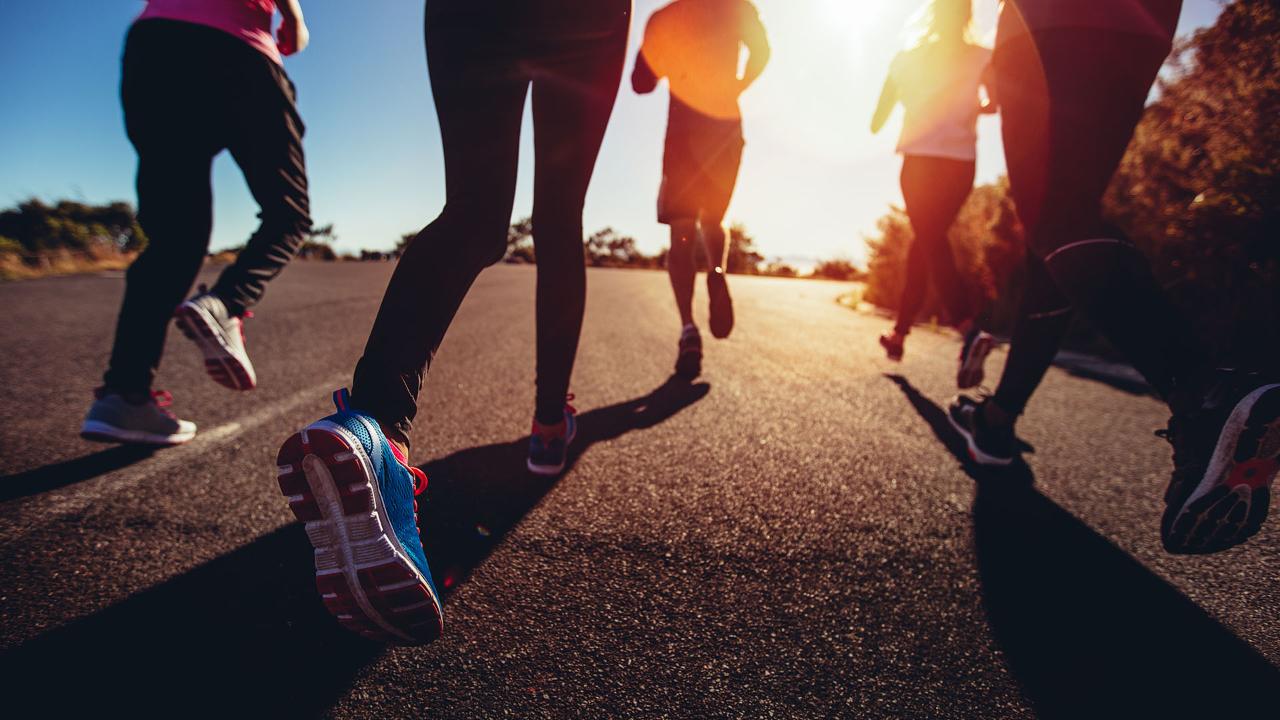
The other type of heat stroke - exertional or activity-induced - primarily affects athletes, laborers, and soldiers - persons who overdo physical activity in very hot temperatures.

Working in the heat

Firefighters, contractors, miners, farmers, laborers, to name a few, are highly susceptible to heat-related illness when the temperature climbs. If you work in hot environment, whether indoors or out, the key to avoiding heat-related illness is to follow the general guidelines – gradually build up your tolerance to heat over 5-7 days, hydrate, take breaks in the shade or air-conditioning, use fans when possible, avoid exertion during the hottest parts of the day, pace yourself and know the signs of heat-related illness.

Drinking enough water is critical. In the course of a day's work in the heat, you may produce as much as 2 to 3 gallons of sweat. To avoid dehydration, make sure your water intake during the workday is about equal to the amount of sweat produced. Most workers exposed to hot conditions drink less fluids than needed because they’re just not thirsty. Do your best to drink 5 to 7 ounces of fluids every 15 to 20 minutes to replenish the necessary fluids in your body.

For more information, visit the Pennsylvania Medical Society’s Family Health and Wellness website at www.myfamilywellness.org.


... ..
...
...


Home
Up
About Us
America's Seniors WebMall
Aging News
California Report
Community/Workplace
Fitness,Health
Grandparents
Health Care Policy
Hispanic Seniors
Medicare News
Prescription Drugs
Pharma Suits
Restaurant Reviews
Rural Seniors
Safety & Security
Seniors Commentary
Seniors' Entertainment
Seniors Headlines
Seniors Finances
Seniors' Issues
Seniors Relationships
Seniors Rights
Social Security News
The Virtual Family
Travel News
TSN Radio on Web
Veterans' Tribute
White House Cards
Privacy Policy
Consumer Alert
Pull Plug Heat Costs


 To Contact Us, Click here
Copyright (C) 1999-2010 TodaysSeniorsNetwork.com