counter customizable free hit
Cancer is a common event among older people and as we age the risk increases even if no one in our family has had the disease


Home
Up
Activity, Plant-Based Diet
Acupuncture Eases Pain
Alcohol, Pancreas Cancer
Adequate Rest Needed
Anderson Master Plan
Aspirin Deters Cancers
At-Home Exercise Programs
Bladder Cancer News
Body Image Importance
Bone Marrow Recipient
Boomers' Luekemia, Lymphoma
Brain Cancer News
Breast Cancer News
Bone Marrow Donor
Cancer Achilles' Heel
Cancer Awareness Month
Cancer Caregiver Support
Cancer Cells, Genes
Cancer Coss to Double
Cancer Death Rate
Cancer Drs. Revolt
Cancer-Free Aging
Cancer in Elderly
Cancer News Headlines
Cancer Statistics Report
Cancer Patients Experience
Cancer Link
Cancer Prevention
Cancer Report
Cancer Risk
Cancer Society Campaign
Cancer Spread
Cancer Survivor's Edge
Cancer Survivor Needs
Cervical Spine Disease
Childhood Cancer
Elderly Chronic Disease
Cardio-Oncology Program
Colon Cancer Newes
Continuing Cancer Risk
Costs Prevent Treatments
Deadly Ovarian Cancer
Detriment to Chemo Effectiveness
Diet Impact Camcer.Tumors
DNA Sequence Hones In
Drinking, Pancreatic Cancer
Esophageal Cancer Risk
Esophageal Cancer Fighter
Enzyme Role in Cancer
Exercise Benefit
Food and Oral Drugs
Gastric Cancer Risk
Genetic Knowlege Important
Health Care Reform Impact
How & Why of Cancer Cells
Infections Cause Cancer
Legal Needs Unmet
Life Guide Boosts Survival
Less Cancerous Cancer
Leukema Risk Markers
Liver Cancer News
Long-Term Declines
Lower Cancer Risk
Lung Cancer News
Malignant Hyperthermia
Marrow Transplant Risk Cut
Measuring Cancer Spread
Minority Cancer Awareness
More Older Survivors
Music Reduces Anxiety
New Clinical Trials
New, Safer Treatment
Older Patients' Challenges
Online Cancer Support
Ovarian Cancer Therapy
Palliative Care Intervention
Pancreatic Cancer, Aspirin
Pap Test Detection
Pancreatic Cancer Progression
Pancreatic Cancer Vaccine
Patient Blogs About Battle
Patients Missing Shots
Planning for 2020
Preventinng Cancer
Procedure Improves Health
Prevention Strategy Emphasis
Prostate Cancer News
Pulmonary Cancer Link
Quality Care Difficult
Quality of Life Therapy
Reduce Cancer Risk
Self-Image Recovery Role
Skin Cancer News
Skin Conditions Hamper Treatment
Small Liquid Sensor
Stand up to Cancer Project
Star-Studded Event
Starving Kidney Cancer Cells
Stomach Cancer Link
Supplement Role Questioned
Surgery Death Risk
Survivor Cardiiovascular Risk
Targeted Drugs Danger
Telephone Care Program
Throat Cancer Indicator
Tumor with a Twist
U.S. Cancer Deaths Down
Virus Detects Cancer Early
Why Cancer Increases
Zappping Tumors
100-year-old Survivor


Home
Addiction
Arthritis, Bones
Alzheimer's Disease
Blood Pressure News
Cancer Developments
Chronic Pain, Disease
Cirrhosis Impact
Aspirin, Cancer Patients
diabetes_news
Dietary for Seniors
Elderly Oral Health
Middle-Age Weight Gain
Exercise News
Flu Season
Hearing
Heart & Stroke News
Kidney News, Information
Hormone Boost No Threat
Mental Health
Parkinson's News
Foot Ulcers Threat
Respiratory Health
Seniors' Vision
Smile Measures Beauty
Vitamins, Nutrients
Whooping Cough Vaccine


  3 Additional Months FREE! Join Today!

Google


Web

TodaysSeniorsNetwork.com


AddThis Feed Button   Now, keep up to date with daily feeds of newly posted stories about America's Seniors...click on the box to the left


CAREGIVING RESOURCES FOR CAREGIVERS, ELDERLY...IMPROVING THE QUALITY OF LIFE AND EASING THE ROLE OF THE CAREGIVER, CLICK HERE

Cancer in the Elderly


July 8, 2011--In many American families, including those from minority populations, people from a wide range of ages live together under the same roof.  The elder folk in these homes face what are called the diseases of aging, including hypertension, diabetes, arthritis, and cancer.

Cancer is a common event among older people, and as we age the risk increases, even if no one in our family has had the disease. Whether or not your family member or older close friend lives with you, knowing a little about the world of cancer and the elderly can help.

Why do older people get cancer?

Some cancers can be inherited, and others are caused by long-term exposure to cancer-causing substances like those in tobacco smoke. But cancer also becomes more likely as we age and everyday damage to our cells and our genes eventually builds up.

Our body works to repair and control this damage, but when cells continue to grow and divide and don't die when they should, cancer may develop. Of course most symptoms of aging have nothing to do with cancer, but older folks who don't report unusual changes to their doctor risk missing an early cancer that could be treated successfully.  

Getting Treated

When cancer is found early, treatment may be more likely to work. But decisions about how to treat older people may depend more on their general health and their quality of life than on their actual age. The presence of other health problems and the medications they are taking for these can also affect which cancer treatments they will receive. On the other hand, older people who are generally healthy do as well with most treatments, including chemotherapy, as their younger counterparts.

Pain can be one of the biggest challenges facing older cancer patients, since their other conditions and medications they may take can add to the pain from treatment. Thus it is important for caregivers to be aware of the patient's overall health condition and to monitor their pain and health status carefully.


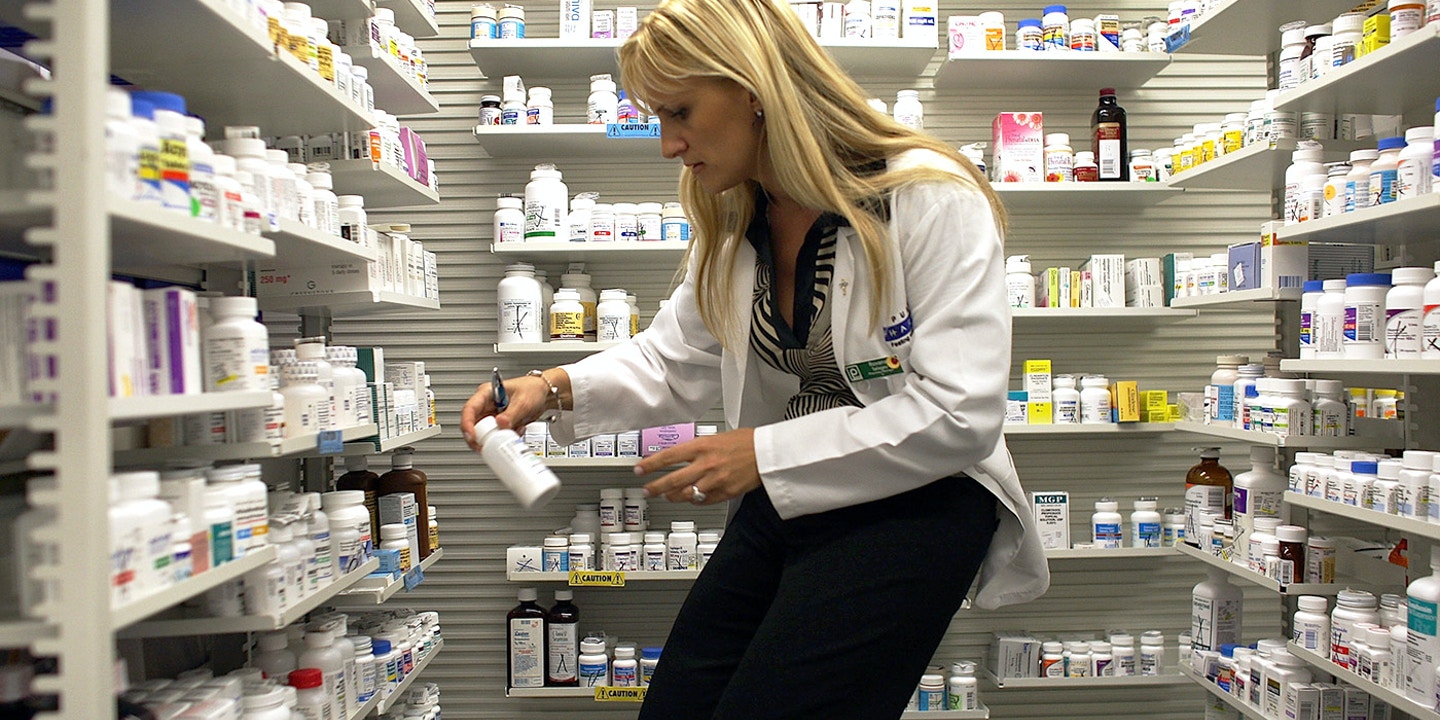
One commonly used class of pain relievers, known as NSAIDs, is more likely to produce side effects in older patients, such as stomach and headaches, constipation, and confusion. On the other hand, older patients often don't receive opioid drugs (powerful pain relievers such as oxycodone) because some providers and patients themselves believe they may be dangerous. However, these drugs can prove particularly effective in older patients who can tolerate them.

This is why family members, caregivers, and doctors of elderly cancer patients should –– in consultation with the patient –– try to assess not only any compromising health conditions, but also their daily quality of life.

This should include looking at their social, emotional, and spiritual lives, all of which are likely to be challenged by cancer treatment and recovery. It is important for the patient and family members (and anyone else who is advocating for the patient) to ask questions and have open conversations with the health care team. One good way to do this is to ask for a family meeting to discuss the patient's treatment plan and quality of life during and after treatment.

NCI  leads the National Cancer Program and the NIH effort to dramatically reduce the burden of cancer and improve the lives of cancer patients and their families, through research into prevention and cancer biology, the development of new interventions, and the training and mentoring of new researchers. For more information about cancer, please visit the NCI web site at www.cancer.gov/espanol or call NCI's Cancer Information Service at 1-800-4-CANCER (1-800-422-6237).

SOURCE National Cancer Institute


... ..
...
...


Home
Up
Aging News
Seniors Commentary
California Report
Caregiving_News.htm
Community/Workplace
Election 2012
'Smart Bombing' Diseases
Fitness,Health
Grandparents
HealthCare Policy
Hispanic Seniors
Medicare News
Prescription Drug News
Resources, Links
Rural Seniors
Resources, links to seniors agencies, groups
Safety & Security
Seniors' Entertainment
Seniors' Finances
Seniors Relationships
Social Security News
The Virtual Family
Travel News
Veterans Tribute
Privacy Statement
Join Our Mailing List
Aging Resources Store
TSN Video News
Rx for American Health
New Page 12


Copyright 2000-2013 TodaysSeniorsNetwork


Contact Us