counter customizable free hit
10 Ways to reduce Cancer Risk


Home
Up
Alcohol, Pancreas Cancer
Anderson Master Plan
Bladder Cancer News
Brain Cancer News
Breast Cancer News
Bone Marrow Donor
Cancer Caregiver Support
Cancer Cells, Genes
Cancer Death Rate
Cancer Drs. Revolt
Cancer-Free Aging
Cancer News Headlines
Cancer Statistics Report
Cancer Patients Experience
Cancer Link
Cancer Prevention
Cancer Report
Cancer Risk
Cancer Society Campaign
Cancer Spread
Cancer Survivor's Edge
Cancer Survivor Needs
Childhood Cancer
Elderly Chronic Disease
Colon Cancer Newes
Continuing Cancer Risk
Costs Prevent Treatments
Enzyme Role in Cancer
How & Why of Cancer Cells
Infections Cause Cancer
Legal Needs Unmet
Liver Cancer News
Long-Term Declines
Lower Cancer Risk
Lung Cancer News
Measuring Cancer Spread
Older Patients' Challenges
Online Cancer Support
Palliative Care Intervention
Patients Missing Shots
Planning for 2020
Preventinng Cancer
Procedure Improves Health
Prevention Strategy Emphasis
Prostate Cancer News
Reduce Cancer Risk
Skin Cancer News
Small Liquid Sensor
Stand up to Cancer Project
Stomach Cancer Link
Supplement Role Questioned
Surgery Death Risk
Telephone Care Program
Zappping Tumors
100-year-old Survivor
Star-Studded Event

Home
Addiction
Alzheimer's Disease
Arthritis, Bones
Blood Pressure News
Cancer Developments
Chronic Pain, Disease
Aspirin, Cancer Patients
diabetes_news
Dietary for Seniors
Middle-Age Weight Gain
Exercise News
Flu Season
Hearing
Heart & Stroke News
Kidney News, Information
Mental Health
Parkinson's News
Foot Ulcers Threat
Respiratory Health
Seniors' Vision
Vitamins, Nutrients


Google


Web TodaysSeniorsNetwork.com
 

AddThis Feed Button   Now, keep up to date with daily feeds of newly posted stories about America's Seniors...click on the box to the left 

10 Ways to reduce Cancer Risk


Newswise — The risk of cancer can be dramatically reduced through everyday choices about diet, exercise and tobacco use, according to a Special Report on Cancer Prevention in the November issue of Mayo Clinic Women’s HealthSource.

Evidence suggests that one-third of the more than 560,000 cancer deaths that occur in the United States annually are related to diet, exercise and weight. Another one-third of annual cancer deaths are related to tobacco exposure. The eight-page Special Report examines the science and latest findings on 10 approaches that can make a real difference in preventing cancer. Here are some highlights from the list:

1. Don’t smoke: The risk of smoking-related cancers increases with the length of time a person has smoked and the number of cigarettes smoked. The most common cancer associated with smoking is lung cancer, the leading cause of cancer death among American women and men. Quitting smoking reduces the risk of lung and other cancers -- regardless of the number of years of smoking.

2. Eat fruits and vegetables: The American Cancer Society recommends eating at least five servings of fruits and vegetables daily because they are loaded with vitamins, minerals, antioxidants and other substances that lower the risk of cancer. In recent years, some studies have indicated that the association between eating fruits and vegetables and lower cancer risk isn’t as strong as once thought. Most experts still believe that a plant-based diet is one of the best ways to protect overall health.

3. Limit fat in the diet: Studies suggest that high-fat diets or high intakes of certain types of fat may be linked to several types of cancer, including colon, lung and postmenopausal breast cancer. The reason may be that high-fat diets tend to be higher in calories and increase the risk of obesity. More study is needed to better understand which types of fat should be avoided and how much of each alters cancer risk.

Current guidelines recommend keeping fat intake between 20 and 30 percent of total daily calories, with most fats coming from sources of polyunsaturated and monounsaturated fats, such as fish, nuts and vegetable oils.

4. Maintain a healthy weight: Being overweight or obese can increase the risk of postmenopausal breast cancer as well as cancers of the colon, endometrium, esophagus and kidney. There’s evidence that obesity increases the risk of cancers of the prostate, liver, gallbladder, pancreas, stomach, ovary and cervix. Some studies estimate that excess weight is a factor in 14 to 20 percent of all cancer-related deaths in American adults.

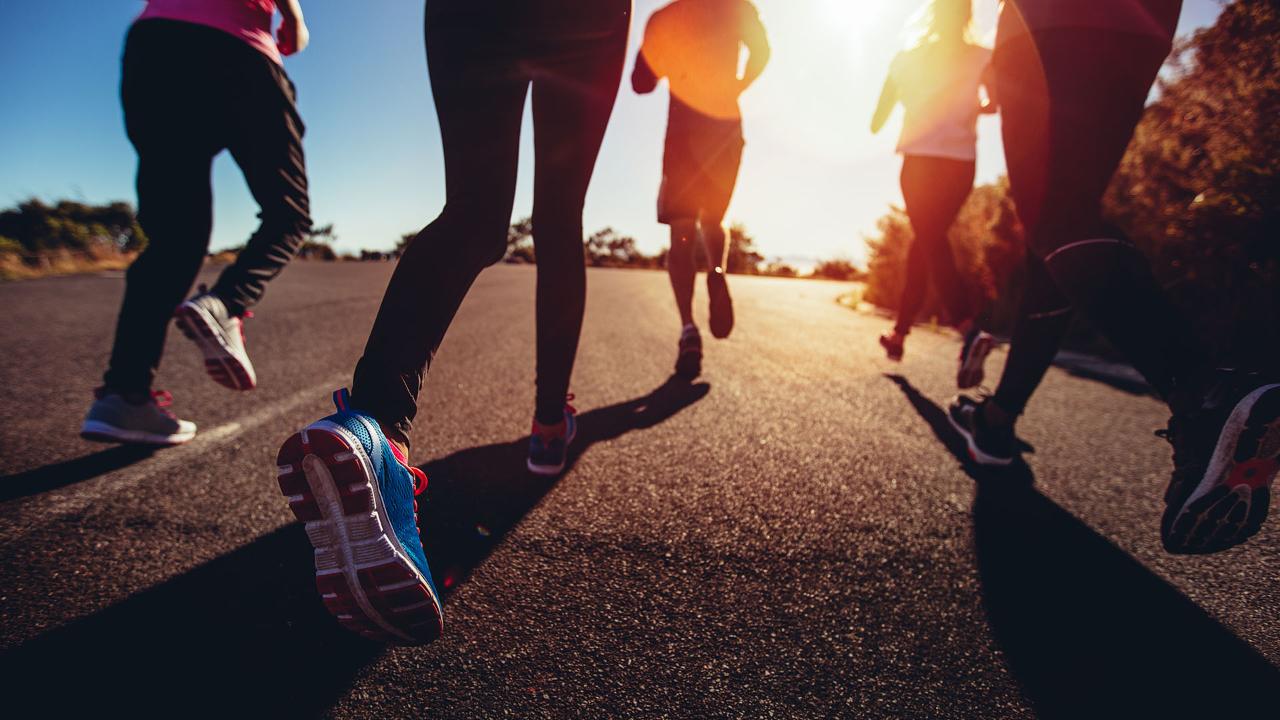
5. Be physically active: Evidence increasingly suggests that people who are physically active have lower risk of some cancers than those who are more sedentary. From 45 to 60 minutes of moderate to vigorous activity a day, on most days of the week, is considered optimal to reduce the risk of breast and colorectal cancers.

6. Curb alcohol consumption: Alcohol consumption increases the risks of cancers of the mouth, pharynx, larynx, esophagus, liver, colon and rectum. Women should limit themselves to no more than one alcoholic beverage a day. Men should have no more than two.

7. Limit exposure to radiation: Ultraviolet (UV) radiation, which comes from the sun, sunlamps or commercial tanning beds, is the primary cause of skin cancer, the most common of all cancers.

8. Protect against infection: Infections caused by viruses are recognized as risk factors for several types of cancer. Human papillomavirus (HPV), a sexually transmitted disease, is the most common cause of cervical cancer. Chronic hepatitis B and hepatitis C increase the risk of liver cancer. They are most often spread through contact with contaminated blood, from contaminated needles or by having unprotected sex. Human immunodeficiency virus (HIV), the virus that causes AIDS, also increases the risk of several types of cancer. It’s most commonly transmitted by unprotected sex or sharing of needles.

9. Consider chemoprevention: Chemoprevention is the use of natural or synthetic compounds to reduce the risk of cancer or its recurrence. Tamoxifen, prescribed to prevent breast cancer in high-risk women, is the best known chemoprevention agent. A caution: chemoprevention drugs can have serious side effects.

10. Get recommended screening exams: Pap tests, mammograms, colonoscopies and other routine screenings can’t prevent cancer. But screenings can help find cancers early, when treatment is most likely to be successful.


... ..
...
...


Home
Up
Aging News
California Report
Caregiving_News.htm
Community/Workplace
Fitness,Health
Grandparents
HealthCare Policy
Hispanic Seniors
Medicare News
Prescription Drug News
Resources, Links
Rural Seniors
Safety & Security
Seniors' Entertainment
Seniors' Finances
Seniors Headlines
Seniors Relationships
Seniors' Rights
Social Security News
The Virtual Family
Travel News
Veterans Tribute


 To Contact Us, Click here
Copyright (C) 1999-2010 TodaysSeniorsNetwork.com